
The organization of the IV South American Youth Games Panama 2026 demonstrated that sports are a powerful tool for driving economic development, strengthening the social fabric, and positioning the country as a destination capable of hosting international sporting events.
Panama 2026 established itself as one of the sports projects with the greatest impact on the country, leaving an economic, athletic, and social legacy that will continue to generate benefits for Panama for years to come.
During the 2026 Sports Forum “Changing Lives Through Sports,” organized by APEDE’s Sports Commission, the president of the Panamanian Olympic Committee and member of the IOC, Damaris Young, presented the main economic, sporting, and social impacts of Panama 2026, based on the Impact Assessment independently prepared by the firm Deloitte.
An Economic Return That Exceeds the Investment
The results show that the investment made to organize the Games produced a significant multiplier effect on the Panamanian economy.
For every dollar invested in the IV South American Youth Games, Panama generated US$2.99 in economic activity, reaching an estimated total impact of US$89.9 million, resulting from direct, indirect, and induced effects on various productive sectors of the country.
The study indicates that the economic impact consisted of:
- US$42.4 million in direct impact.
- US$18.6 million in indirect impact.
- US$14.4 million in induced impact.
- US$14.5 million in international media exposure for the country’s brand.
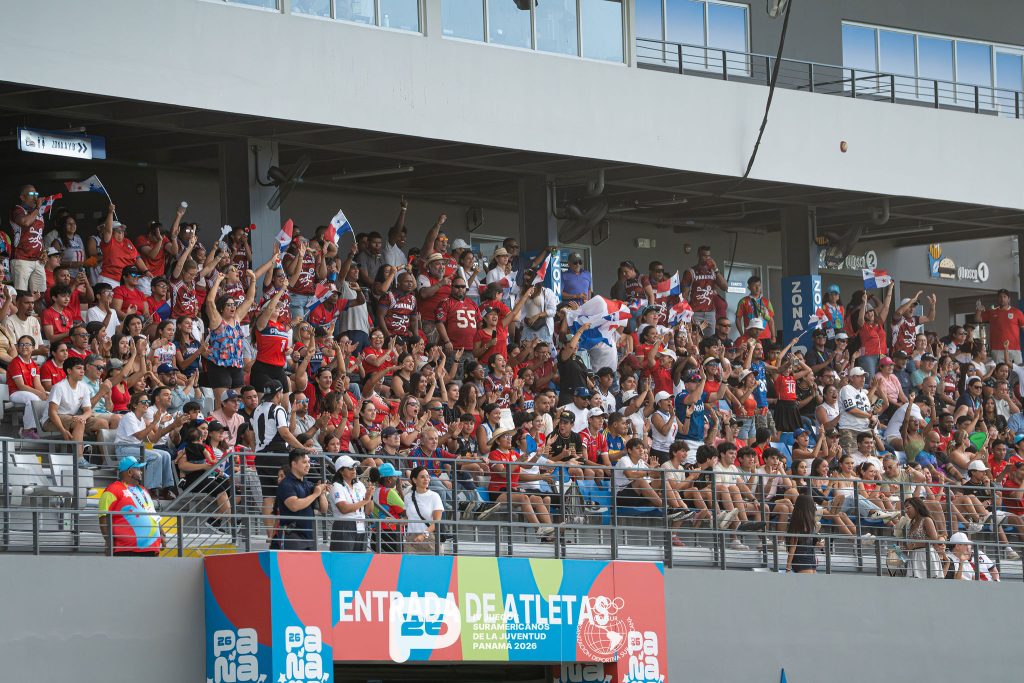
Furthermore, organizing the event 2,855 temporary jobs were created, boosting activities related to retail, hospitality, transportation, gastronomy, and numerous services linked to the Games.
Panama demonstrated its organizational capabilities
The Games marked Panama’s return as the host of a regional multisport event of this magnitude after more than five decades.
From April 12 to 25, 2026, the country welcomed:
- 1,922 athletes.
- 937 officials.
- Delegations from 15 countries.
- Competitions in 24 sports and 32 disciplines.
- 233 sporting events.
- 1,293 medals awarded.
- More than 9,300 accredited individuals, including athletes, officials, judges, media, and organizational staff.
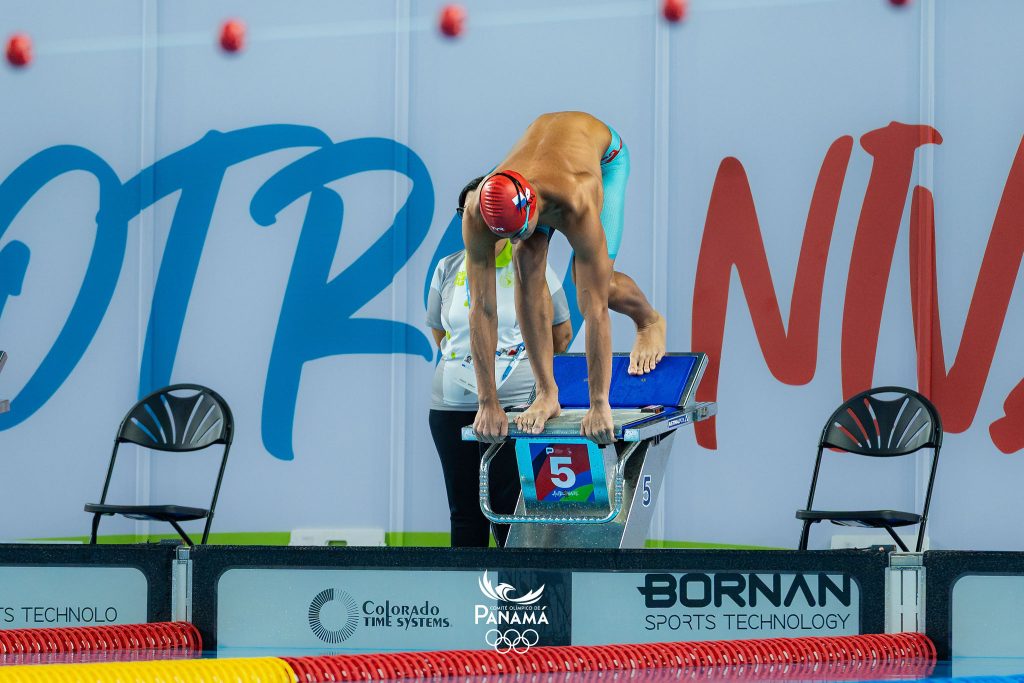
These figures reflect the logistical scale of the event and the institutional capacity developed to organize international-level sporting competitions.
A Sporting Legacy for Future Generations
One of the main outcomes of Panama 2026 was the strengthening of the national sports infrastructure.
Investments by PANDEPORTES secured strategic facilities such as the Luis “Matador” Tejada High-Performance Center, the Fred Maduro Tennis Center, and the Emilio Royo Stadium, bringing them up to international standards for the benefit of Panamanian athletes long after the Games have ended.
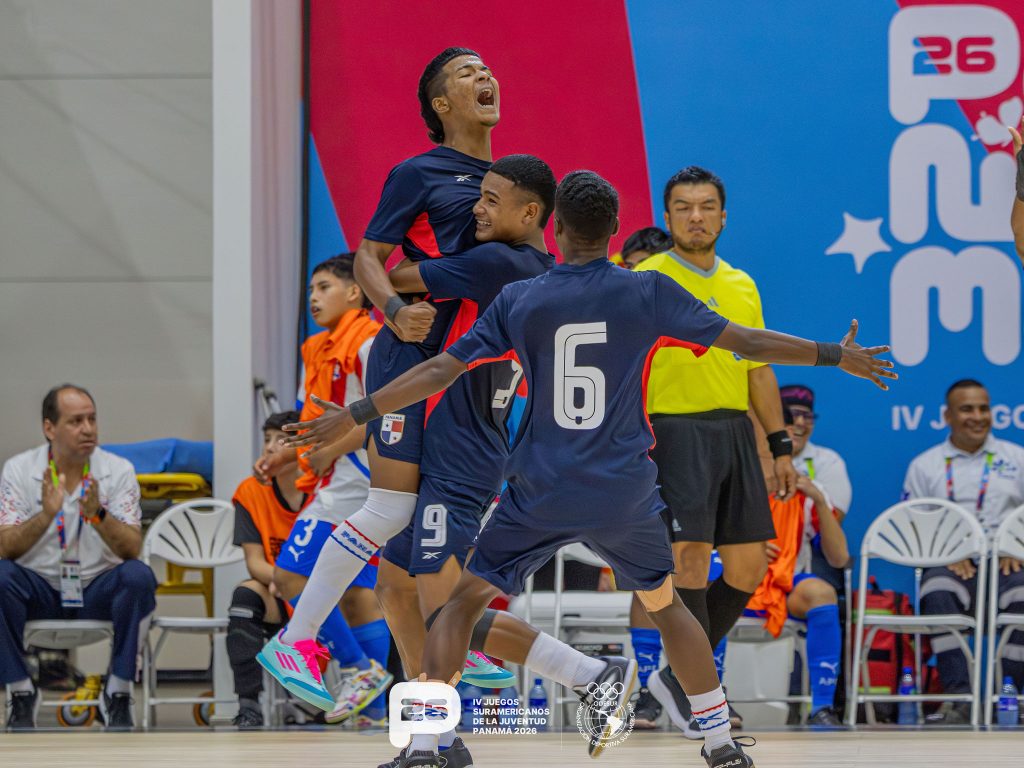
The legacy also included specialized equipment for 22 sports disciplines, the creation of the country’s first High-Performance Center for gymnastics, the installation of the first official futsal court, and new technological capabilities for training and competition in various sports disciplines.
On the competitive front, Panama achieved its best-ever performance at the South American Youth Games by winning 29 medals: six gold, six silver, and seventeen bronze.
The social impact also set record numbers
The Panama 2026 organizing committee went beyond the realm of sports by training talent and strengthening the volunteer program.
More than 2,400 resumes were received to build the team, and 265 specialized staff members were hired to run the event, of whom only 8 were foreign nationals.
In terms of volunteerism, the program attracted 3,275 applicants, of whom 1,583 completed the 120-hour training program and actively participated during the Games.
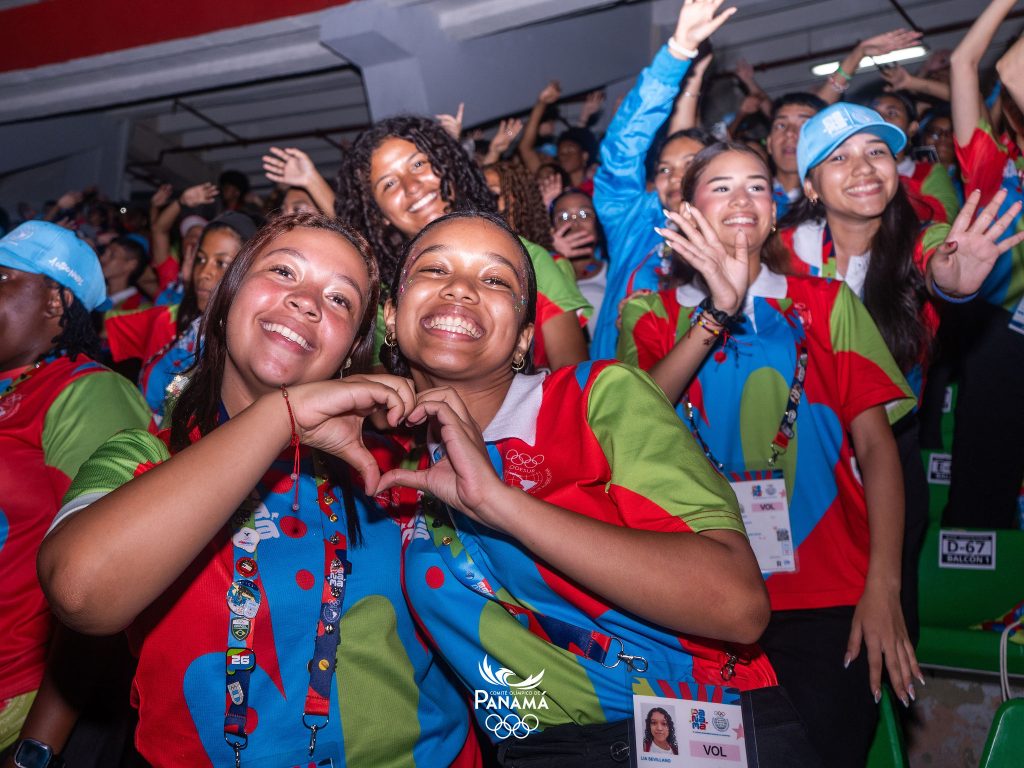
This process enabled the training of hundreds of young people in sports event organization, visitor services, logistics, and operations, thereby strengthening human capital that will be able to participate in future international events.
Panama showcased its image to millions of people
The Games also served as an important platform for the country’s international promotion.
The coverage reached more than 114 million impressions on digital media, more than 7,000 mentions, 882,000 interactions, and more than 6 million unique users.
The entire sports program was broadcast as part of a 775-hour television production, featuring eight simultaneous channels and coverage in various South American countries, while the opening and closing ceremonies reached international audiences through multiple digital platforms and broadcast television.
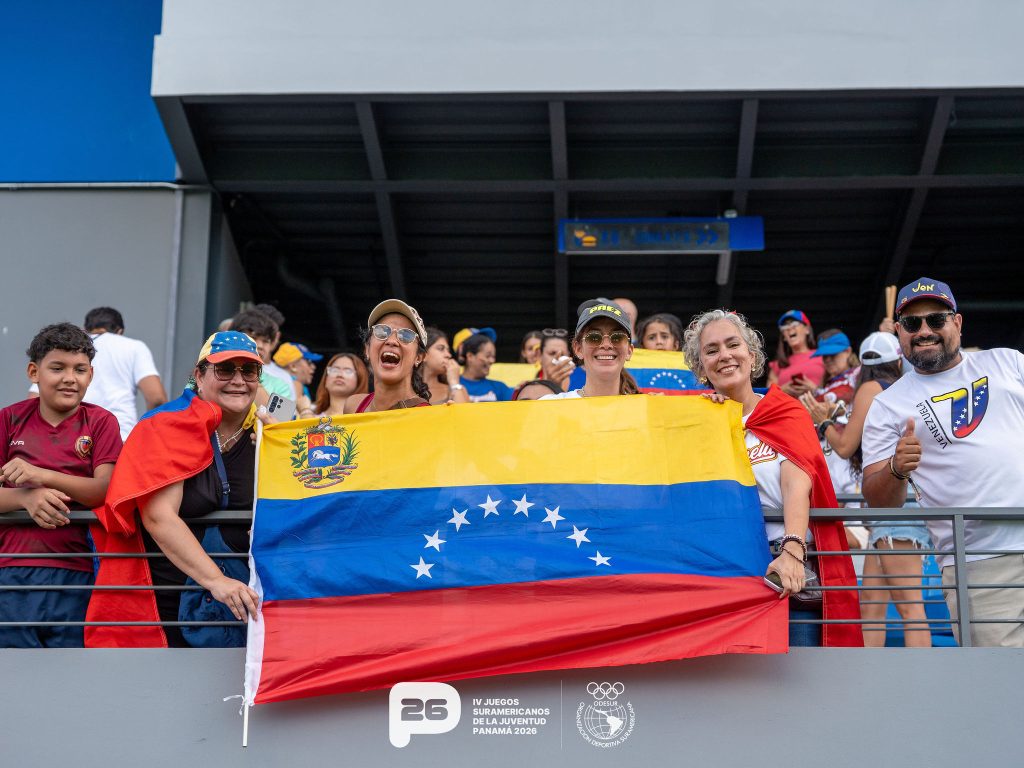
As a result, the positioning strategy generated an estimated value of US$14.5 million for the country brand, with a 25-fold return on investment in promotion and marketing.
A Model of Sustainability for Future Events
Panama 2026 also set a precedent in environmental matters.
The Games were the first South American Youth Games to implement a management system in accordance with ISO 20121 and a verifiable carbon footprint measurement in accordance with ISO 14064-1.
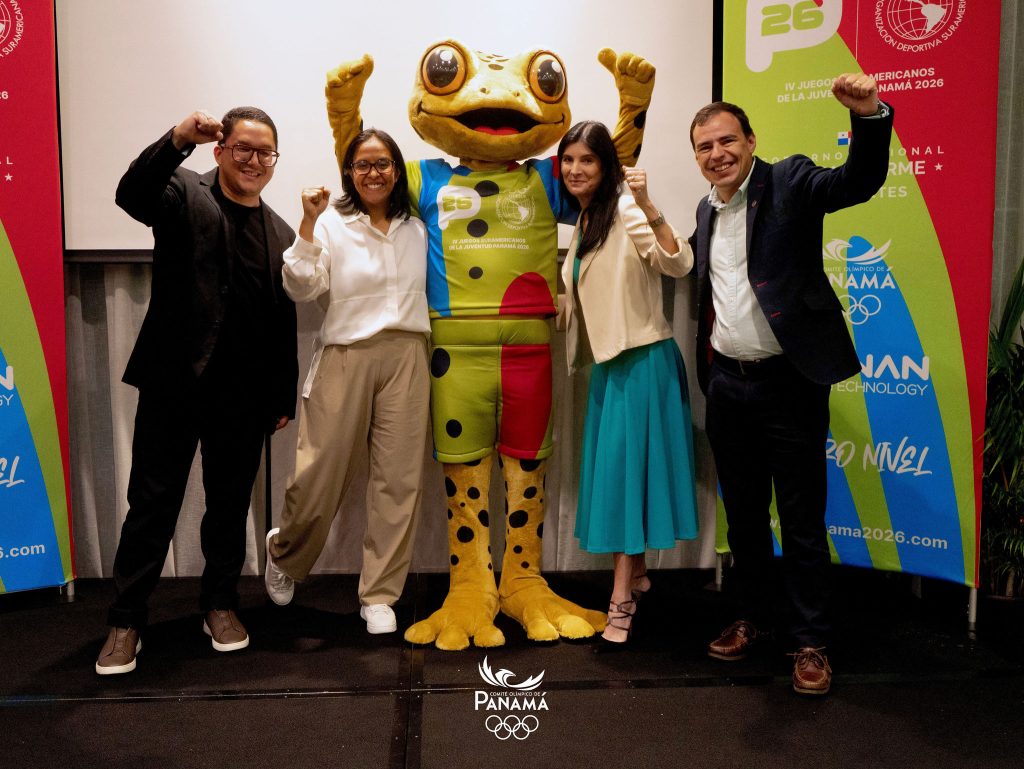
In addition, the event succeeded in reusing nearly 69% of its graphic materials and managing more than 1,288 pounds of recyclable waste, setting new sustainability standards for future regional sporting events.
Transparency and Accountability
Regarding the status of the accountability reports for the organization of the IV South American Youth Games Panama 2026, it is noted that the administrative processes established in the Collaboration Agreement signed between the Panamanian Olympic Committee (COP) and Pandeportes—approved by the National Council for Physical Activity, Sports, and Recreation and endorsed by the Comptroller General of the Republic—have been complied with.
To date, the Panamanian Olympic Committee has formalized the Financial and Activity Accountability Reports corresponding to the US$21.5 million disbursed—totaling 17,623 pages—through three deliverables that document and substantiate in detail the use of the funds.
The first report, covering the period from September 15 to November 15, 2025, amounting to US$4 million, included an 852-page Financial and Activity Accountability Report, formally submitted to Pandeportes on December 2, 2025, with copies sent to the members of the Inter-institutional Technical Committee (CTI) and the Comptroller General’s Office. This report was previously approved by the CTI at a meeting held that same day, through Resolution No. 03-2025 CTI/RE.
The second deliverable, covering the period from November 16, 2025, to January 15, 2026, for US$3 million, consisted of a 2,200-page report divided into five volumes, submitted on January 20, 2026, to Pandeportes, with copies also sent to the CTI and the Comptroller’s Office. The document had been previously approved by the Inter-institutional Technical Committee at its meeting on January 13, 2026, through Resolution No. 04-2026 CTI-RO.
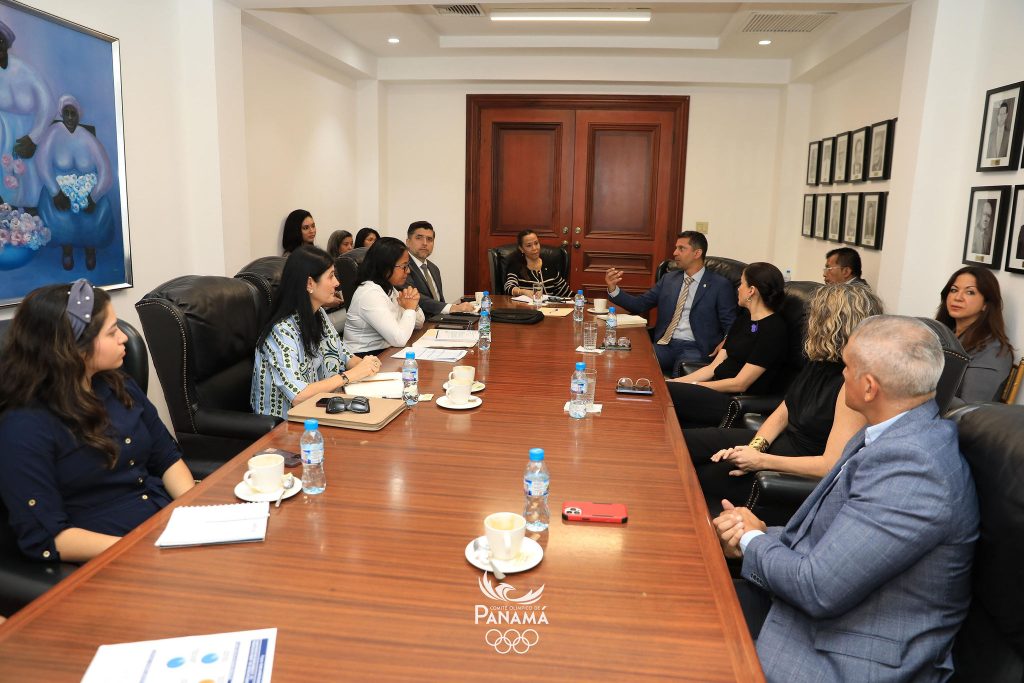
As for the third deliverable, covering the period from January 16 to April 30, 2026—which originally amounted to US$18 million but for which, due to budgetary constraints, US$14.5 million was disbursed— on July 20, 2026, the 14,571-page Financial and Activity Accountability Report—organized into 37 volumes—was formally submitted to Pandeportes, reflecting the technical and financial level of detail involved in organizing the Games.
To date, the disbursement of the remaining US$3.5 million to complete the third deliverable is pending, as is the fourth and final disbursement of US$5 million, as provided for in the Collaboration Agreement.
In accordance with the provisions of said agreement and its duly approved and countersigned addenda, once these funds are received, the Panamanian Olympic Committee will have 45 days to formally submit the final report regarding the balance of the third installment and the fourth disbursement, as well as the Final Technical Report for the IV South American Youth Games Panama 2026.
It should be noted that both documents have already been prepared; all that remains is to receive the outstanding funds to complete payments to suppliers and carry out the final administrative processes of pagination, digitization, and official delivery of the documentation.
This information reinforces the Panama Olympic Committee’s commitment to transparency, accountability, and compliance with control and oversight mechanisms, ensuring that each disbursement received has been supported by comprehensive technical and financial reports, in accordance with the procedures established by the entities responsible for supervising the use of public funds.
A legacy that extends beyond the two weeks of competition
The results presented during the APEDE Sports Forum show that Panama 2026 was much more than just a sports competition.
The economic impact generated, the strengthening of national infrastructure, the training of human resources, the growth of volunteerism, the country’s enhanced international standing, and the improved athletic performance of the Panamanian delegation cement the IV South American Youth Games as a national project whose legacy will continue to benefit sports, tourism, the economy, and future generations of athletes.
Panama not only successfully organized the South American Youth Games; it demonstrated that sports could become a driver of national development, capable of transforming communities, boosting the economy, and strengthening the country’s image on the world stage.
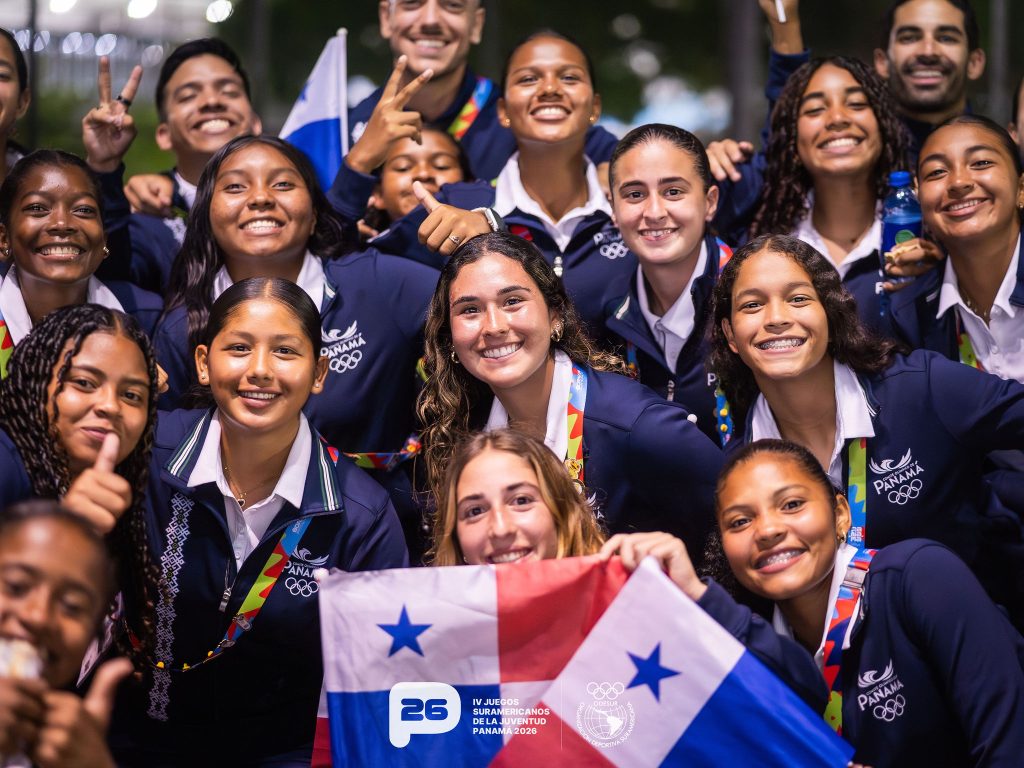
Somos #UnPaísUnEquipo